
Introduction
The keto diet, a low-carb, high-fat dietary approach, has gained immense popularity as a means to promote weight loss and improve overall health. It emphasizes the consumption of specific types of foods that push the body into a state of ketosis, where it burns fat for energy instead of carbohydrates. This article will provide an in-depth look at keto diet foods, their benefits, how to incorporate them into your diet, and what to avoid for optimal results.
The primary goal of the keto diet is to drastically reduce carbohydrate intake and replace it with fat, which helps the body enter a metabolic state known as ketosis. In ketosis, your body becomes exceptionally efficient at burning fat for energy. This article is designed to guide you through the essential foods you’ll need to focus on for success with the keto diet.
Understanding the Keto Diet
Before diving into specific foods, it’s essential to understand the foundation of the keto diet. The diet typically consists of a macronutrient ratio of approximately 70-75% fat, 20-25% protein, and only about 5-10% carbohydrates. This unique composition is what allows the body to enter ketosis and utilize fat as its primary energy source.
How Ketosis Works
When carbohydrate intake is significantly reduced, the body’s insulin levels drop, prompting the liver to convert fat into ketones. These ketones then become the primary energy source for the body and brain. This process has been shown to help with weight loss, improve mental clarity, and enhance energy levels.
Benefits of the Keto Diet
The keto diet offers numerous benefits beyond weight loss. Research has indicated that it can help with managing diabetes, reducing the risk of heart disease, and even improving neurological disorders. Many people report enhanced mental clarity and reduced cravings, making it easier to maintain healthy eating habits.
Essential Keto Diet Foods
Now that we understand the keto diet’s foundation and benefits, let’s explore the essential foods that should be included in your meal plans.
Healthy Fats
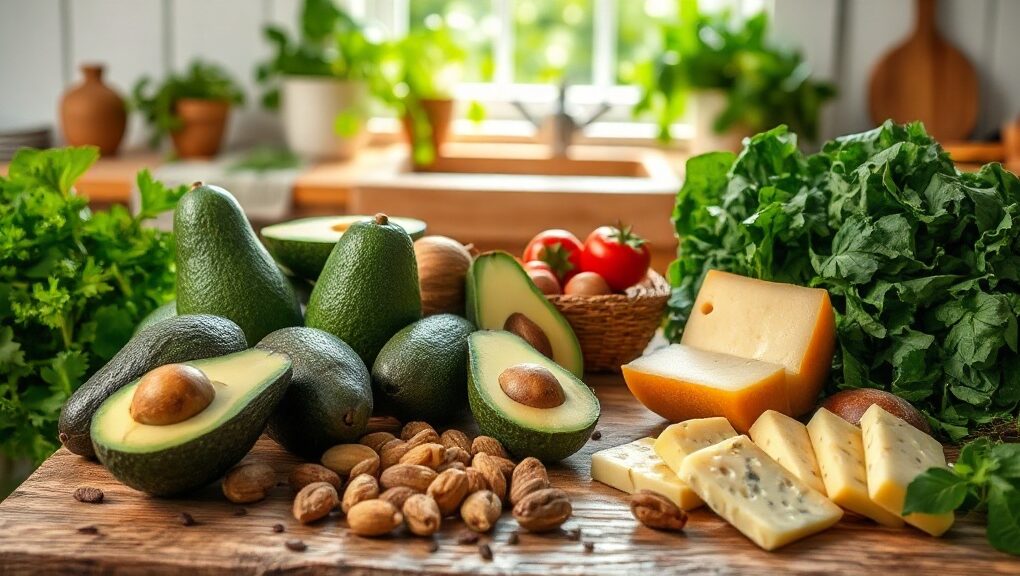
Healthy fats are the cornerstone of the keto diet. Foods rich in healthy fats include avocados, olive oil, coconut oil, and nuts such as almonds and walnuts. These fats not only provide energy but are also crucial for nutrient absorption and hormone production.
Proteins
Incorporating high-quality protein sources is vital for maintaining muscle mass while on a calorie deficit. Opt for grass-fed meats, wild-caught fish, and organic poultry. Eggs are also an excellent source of protein and healthy fats, making them a staple in many keto meal plans.
Low-Carb Vegetables
Low-carb vegetables, such as leafy greens, broccoli, cauliflower, and zucchini, are rich in fiber and essential nutrients while being low in carbohydrates. These vegetables can be incorporated into salads, stir-fries, and side dishes to add volume and nutrition to meals.
Foods to Avoid on the Keto Diet
While there are plenty of foods to enjoy on the keto diet, it’s equally important to know what to avoid. Consuming high-carb foods can prevent your body from entering ketosis and hinder your weight loss efforts.
High-Carbohydrate Foods
Foods high in carbohydrates, such as bread, pasta, rice, and sugary snacks, should be strictly avoided. These foods can spike insulin levels and kick you out of ketosis. Instead, focus on whole, unprocessed foods that align with your dietary goals.
Processed Foods
Many processed foods are loaded with hidden sugars and unhealthy fats, making them detrimental to your keto journey. Always read labels to ensure that the foods you choose are free from added sugars and unnecessary carbohydrates.
Fruits
While fruits are healthy, many are high in sugars and carbohydrates. Berries, such as strawberries and raspberries, can be enjoyed in moderation, but fruits like bananas, grapes, and apples should generally be avoided on a strict keto diet.
Meal Planning for the Keto Diet
Meal planning is an effective strategy for staying on track with the keto diet. Preparing meals in advance can help you avoid unplanned eating and ensure that you only consume keto-friendly foods.
Creating a Balanced Plate
When planning your meals, aim for a balanced plate that includes a source of protein, healthy fats, and low-carb vegetables. For example, a dish of grilled chicken with a side of sautéed spinach in olive oil and a few slices of avocado makes for a perfect keto meal.
Snacking on Keto
Snacks can be an excellent way to keep your energy levels up throughout the day. Opt for keto-friendly snacks like cheese, nuts, or homemade fat bombs, which are high in fat and low in carbohydrates. These options can help satisfy cravings without derailing your diet.
Using Keto-Friendly Substitutes
Many traditional recipes can be adapted for a keto diet by using low-carb substitutes. For instance, cauliflower rice can replace regular rice, and zucchini noodles can serve as a pasta alternative. These substitutions allow you to enjoy your favorite dishes while adhering to your dietary goals.
Hydration and Supplements on the Keto Diet
Staying hydrated is crucial on the keto diet, as the body tends to lose more water and electrolytes during the initial stages of ketosis. Additionally, certain supplements can help support your health while on this diet.
Importance of Electrolytes
When starting the keto diet, it’s essential to replenish electrolytes, including sodium, potassium, and magnesium. Low-carb diets can lead to a decrease in these minerals, which can result in symptoms like fatigue and cramps. Consider adding electrolyte supplements or increasing your intake of foods rich in these minerals.
Water Intake
Drinking plenty of water is vital for maintaining overall health and assisting in weight loss. Aim for at least 8-10 cups of water daily, and listen to your body’s thirst cues. Staying hydrated can also help manage keto flu symptoms, which some people experience when transitioning to the diet.
Vitamins and Supplements
While a well-rounded diet should provide most of the necessary vitamins and minerals, some individuals may benefit from additional supplementation. For instance, Vitamin B Complex can support energy levels, while Vitamin D3 and K2 play crucial roles in bone health and immune function.
Common Mistakes to Avoid
As with any diet, there are common pitfalls that can hinder your success on the keto diet. Being aware of these mistakes can help you stay on track and achieve your health goals.
Not Tracking Macros
One of the most significant mistakes people make on the keto diet is failing to track their macronutrient intake. Knowing how many fats, proteins, and carbohydrates you consume daily is essential for maintaining ketosis. Consider using an app or journal to monitor your food intake.
Overindulging in “Keto” Snacks
While many snacks are marketed as keto-friendly, they can still contain hidden carbs and unhealthy ingredients. Always check the labels and consume these snacks in moderation. It’s easy to underestimate portion sizes when snacking, which can lead to unwanted weight gain.
Neglecting Overall Health
While the focus on food is crucial, don’t forget about overall health and well-being. Incorporate regular exercise, manage stress levels, and ensure you get enough sleep. These factors play an essential role in your success on the keto diet and overall health.
FAQ
What are the main foods to eat on a keto diet?
The main foods to include in a keto diet are healthy fats such as avocados and olive oil, high-quality proteins like grass-fed meats and fish, and low-carb vegetables like leafy greens and broccoli. These foods help maintain the necessary macronutrient ratios for effective ketosis.
Can I eat fruit on a keto diet?
While most fruits are high in sugar and carbohydrates, certain low-carb fruits can be consumed in moderation. Berries such as strawberries, blueberries, and raspberries are good options, but it’s best to avoid high-sugar fruits like bananas and apples.
How can I ensure I’m in ketosis?
To ensure you’re in ketosis, monitor your carbohydrate intake, typically keeping it below 20-50 grams per day. You can also use ketone testing strips to measure the level of ketones in your urine or blood to confirm that your body is in ketosis.
Is the keto diet safe long-term?
The long-term safety of the keto diet is still being studied; however, many individuals have successfully maintained weight loss and improved health markers over extended periods. Always consult with a healthcare professional before making significant dietary changes.
What are the side effects of starting a keto diet?
Some individuals may experience symptoms known as keto flu during the initial transition to the keto diet. These can include fatigue, headaches, and irritability. Staying hydrated and ensuring adequate electrolyte intake can help alleviate these symptoms.
Can I drink alcohol on a keto diet?
Yes, you can consume alcohol on a keto diet, but it’s important to choose low-carb options. Spirits like whiskey, vodka, and gin are typically low in carbs, while beer and sweet wines should be avoided due to their high carbohydrate content.
How much weight can I expect to lose on the keto diet?
Weight loss varies from person to person on the keto diet, with some individuals losing several pounds in the first week due to water weight. Long-term weight loss will depend on adherence to the diet and individual metabolic factors.
What if I hit a weight loss plateau?
Hitting a weight loss plateau is common and can be frustrating. To overcome this, consider reassessing your macronutrient intake, increasing physical activity, or introducing intermittent fasting to help jumpstart your weight loss efforts.
Are there any alternatives to the keto diet?
Yes, several dietary approaches can promote weight loss and health, such as the Mediterranean diet, paleo diet, or low-carb diets. Each has its own benefits and may be more suitable depending on individual preferences and health conditions.
How can I stay motivated on the keto diet?
Staying motivated on the keto diet can be challenging. Setting realistic goals, tracking your progress, and connecting with a supportive community can help maintain motivation. Remember to celebrate small victories and understand that setbacks can happen.
Conclusion
Adopting a keto diet can be a transformative journey towards better health and weight management when done correctly. By understanding the essential foods to include, what to avoid, and how to navigate common pitfalls, you can set yourself up for success. Remember that the keto diet is not just about losing weight, but also about improving overall well-being. Incorporating nutrient-dense keto diet foods, staying hydrated, and considering supplementation can enhance your journey. As you embark on this path, be patient with yourself and adjust your approach as needed to find what works best for your body and lifestyle.
Sources
Hussin, A. M., et al. Ketogenic Diets and Their Effects on Health: A Review. Journal of Human Nutrition and Dietetics, 2020.
Yancy, W. S., et al. A Randomized Trial of a Low-Carbohydrate Diet for Obesity. Annals of Internal Medicine, 2018.
Paoli, A., et al. The Ketogenic Diet: A Detailed Overview. Journal of Nutrition and Metabolism, 2019.


