
Introduction
Vitamin B6, also known as pyridoxine, is a vital nutrient that plays a crucial role in numerous bodily functions. This water-soluble vitamin is involved in over 100 enzyme reactions, primarily related to protein metabolism. It is essential for the production of neurotransmitters, which are chemicals that transmit signals in the brain, and for maintaining a healthy immune system. Many people may not realize the profound impact that adequate levels of Vitamin B6 can have on overall health and well-being. In this article, we will explore seven essential benefits of Vitamin B6, detailing its significance and the best sources to ensure you meet your nutritional needs.
1. Enhances Mood and Cognitive Function
The Role of Neurotransmitters
Vitamin B6 is critical for the synthesis of neurotransmitters, including serotonin, dopamine, and gamma-aminobutyric acid (GABA). These chemicals are essential for regulating mood, and a deficiency in Vitamin B6 can lead to mood disorders such as depression and anxiety. Studies have shown that individuals with adequate levels of Vitamin B6 tend to have better mental health outcomes, which highlights the importance of this vitamin in cognitive function and emotional well-being.
Boosting Brain Health
Research indicates that Vitamin B6 may also play a role in reducing the risk of cognitive decline and neurodegenerative diseases such as Alzheimer’s. A study published in a reputable journal found that higher levels of Vitamin B6 were associated with better cognitive function in older adults. This suggests that maintaining adequate levels of this vitamin may help protect against age-related cognitive decline and support long-term brain health.
2. Supports Immune Function
Strengthening the Immune System
Vitamin B6 is vital for the proper functioning of the immune system. It assists in the production of antibodies, which are necessary for fighting off infections. A deficiency in Vitamin B6 can lead to a weakened immune response, making the body more susceptible to infections and illnesses. By ensuring adequate Vitamin B6 intake, individuals can bolster their immune defense and enhance their overall health.
Inflammation Reduction
In addition to supporting immune function, Vitamin B6 has been shown to play a role in reducing inflammation in the body. Chronic inflammation is linked to various health issues, including heart disease and autoimmune disorders. Thus, adequate Vitamin B6 levels may help mitigate inflammation and contribute to better overall health.
3. Aids in Protein Metabolism
Protein Utilization in the Body
Vitamin B6 is essential for protein metabolism, facilitating the breakdown of proteins into amino acids. This process is crucial for the body to effectively utilize protein from food sources, which is vital for tissue repair, muscle growth, and overall health. Without sufficient Vitamin B6, the body may struggle to process proteins efficiently, leading to potential deficiencies in important amino acids.
Supporting Muscle Health
Adequate Vitamin B6 intake is particularly important for athletes and those engaged in regular physical activity. It aids in muscle recovery and growth by ensuring that proteins are metabolized effectively. This makes Vitamin B6 a key nutrient for anyone looking to maintain or improve their physical performance.
4. Promotes Heart Health
Lowering Homocysteine Levels
Elevated levels of homocysteine, an amino acid in the blood, are associated with an increased risk of heart disease. Vitamin B6 plays a critical role in the metabolism of homocysteine, helping to convert it into other beneficial substances. Thus, adequate Vitamin B6 intake may help lower homocysteine levels and reduce the risk of cardiovascular issues.
Improving Circulation
Vitamin B6 also contributes to maintaining healthy blood flow by supporting the formation of red blood cells. These cells are essential for transporting oxygen throughout the body, which is crucial for overall health and vitality. By ensuring you have enough Vitamin B6, you can support your cardiovascular system and promote better circulation.
5. Assists in Hormonal Regulation
Balancing Hormones
Vitamin B6 is involved in the regulation of hormones, particularly in women. It aids in the synthesis of various hormones, including estrogen and progesterone, which are crucial for reproductive health. Adequate Vitamin B6 levels can help alleviate symptoms associated with premenstrual syndrome (PMS) and support overall hormonal balance.
Reducing Symptoms of PMS
Research has shown that Vitamin B6 supplementation can reduce the severity of PMS symptoms, including mood swings, bloating, and irritability. Therefore, women experiencing PMS may benefit from increasing their Vitamin B6 intake through dietary sources or supplements.
6. Supports Skin Health
Maintaining Healthy Skin
Vitamin B6 plays a role in maintaining healthy skin by supporting cellular metabolism and promoting the synthesis of collagen, which is essential for skin elasticity and strength. A deficiency in Vitamin B6 can lead to various skin issues, including dryness, rashes, and acne.
Promoting Wound Healing
Additionally, Vitamin B6 is involved in the body’s healing processes. It aids in the repair of skin tissues and supports faster wound healing. Ensuring an adequate intake of Vitamin B6 can therefore contribute to better skin health and recovery from injuries.
7. Provides Energy Support
Energy Production
Vitamin B6 is essential for energy metabolism, as it helps in the conversion of carbohydrates into glucose, which is used by the body for energy. A sufficient intake of Vitamin B6 can help maintain energy levels throughout the day, reducing feelings of fatigue and lethargy.
Combating Fatigue
Individuals who experience chronic fatigue may benefit from assessing their Vitamin B6 intake. Since this vitamin plays a crucial role in energy production, ensuring adequate levels can help combat fatigue and improve overall energy levels, making daily activities more manageable.
FAQ
What are the primary sources of Vitamin B6?
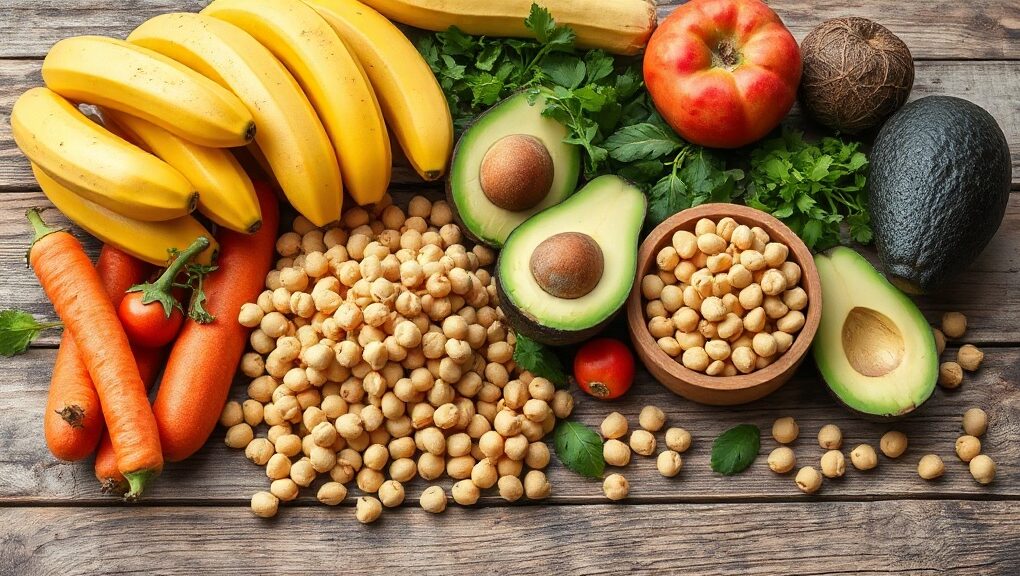
Vitamin B6 can be found in a variety of food sources, including poultry, fish, potatoes, chickpeas, bananas, and fortified cereals. Animal products such as beef liver and chicken are particularly rich sources. Incorporating a diverse diet that includes these foods can help ensure you meet your Vitamin B6 needs.
How much Vitamin B6 do I need daily?
The recommended daily allowance (RDA) for Vitamin B6 varies by age and gender. For adults, the RDA is approximately 1.3 to 2.0 mg per day, depending on factors such as pregnancy or lactation. It is essential to consult with a healthcare provider to determine the appropriate intake for your individual needs.
Can Vitamin B6 help with weight loss?
While Vitamin B6 is not a weight-loss supplement, it plays a role in metabolism, which can indirectly support weight loss efforts. A balanced diet that includes adequate Vitamin B6 may help improve energy levels and metabolic function, which are crucial for maintaining a healthy weight.
Are there any side effects of Vitamin B6 supplementation?
Excessive intake of Vitamin B6 through supplements can lead to toxicity, resulting in symptoms such as nerve damage, numbness, or tingling in the hands and feet. It is advisable to stick to the recommended dosage and consult a healthcare provider before starting any supplementation.
Can I get enough Vitamin B6 from a vegetarian diet?
Yes, it is possible to obtain sufficient Vitamin B6 from a vegetarian diet. Plant-based sources include chickpeas, potatoes, bananas, nuts, and fortified cereals. By incorporating a variety of these foods into your meals, vegetarians can meet their Vitamin B6 requirements.
Is Vitamin B6 important during pregnancy?
Yes, Vitamin B6 is particularly important during pregnancy, as it supports fetal development and helps alleviate nausea and vomiting associated with morning sickness. Pregnant women should ensure adequate intake of Vitamin B6 through their diet or prenatal supplements.
Can Vitamin B6 help with mood disorders?
Research has shown that adequate levels of Vitamin B6 can positively impact mood and may help reduce the risk of mood disorders such as depression and anxiety. Ensuring sufficient intake can support overall mental health and emotional well-being.
What are the symptoms of Vitamin B6 deficiency?
Symptoms of Vitamin B6 deficiency can include irritability, depression, confusion, weakened immune response, and skin issues such as rashes or seborrheic dermatitis. If you suspect a deficiency, it is important to consult a healthcare provider for assessment and guidance.
Is it safe to take Vitamin B6 supplements long-term?
Long-term use of Vitamin B6 supplements should be approached with caution. While it is generally safe at recommended doses, excessive supplementation can lead to toxicity. It is best to consult a healthcare professional for personalized advice regarding long-term supplementation.
Conclusion
Vitamin B6 is an essential nutrient with numerous health benefits, including mood enhancement, immune support, and improved protein metabolism. By ensuring you consume adequate amounts of this critical vitamin, you can promote better overall health and well-being. Incorporating Vitamin B6-rich foods into your diet, such as poultry, fish, potatoes, and chickpeas, will help you achieve your nutritional needs. If you have concerns about your Vitamin B6 intake or health status, consulting a healthcare provider can provide personalized guidance and recommendations.
Sources
Stabler, S. P., & Allen, R. H. (2016). Vitamin B12 deficiency. The New England Journal of Medicine.
McCormick, D. B. (2018). Riboflavin and Vitamin B6. In Present Knowledge in Nutrition.
Huang, Y. M., et al. (2018). The Role of Vitamin B6 in Immune Function. Nutrients.


